

On 13 February 2026, the Learn to Play for the Future consortium hosted its 1st International Colloquium, bringing together student teams, mentors, consortium staff, and external guests in a hybrid format.
Designed as both a celebration and a reflective milestone, the colloquium marked the conclusion of round 1 of the course and created a structured opportunity to evaluate outcomes and plan improvements for the next phase.
Showcasing educational game prototypes
A central part of the colloquium was the presentation of educational game prototypes developed by international student teams. Each team prepared either a five-minute video or a narrated presentation, accompanied by a concise Game Brief outlining learning goals, target group, mechanics, inclusivity features and required materials or technologies for the game.
These presentations highlighted the diversity of approaches across partner countries, demonstrating how pedagogy, design thinking, and creativity can merge into playable learning experiences. The format encouraged clarity, reflection, and accessibility, while also preparing students for real-world dissemination contexts. At the end of the event, all the participants voted for the best game.
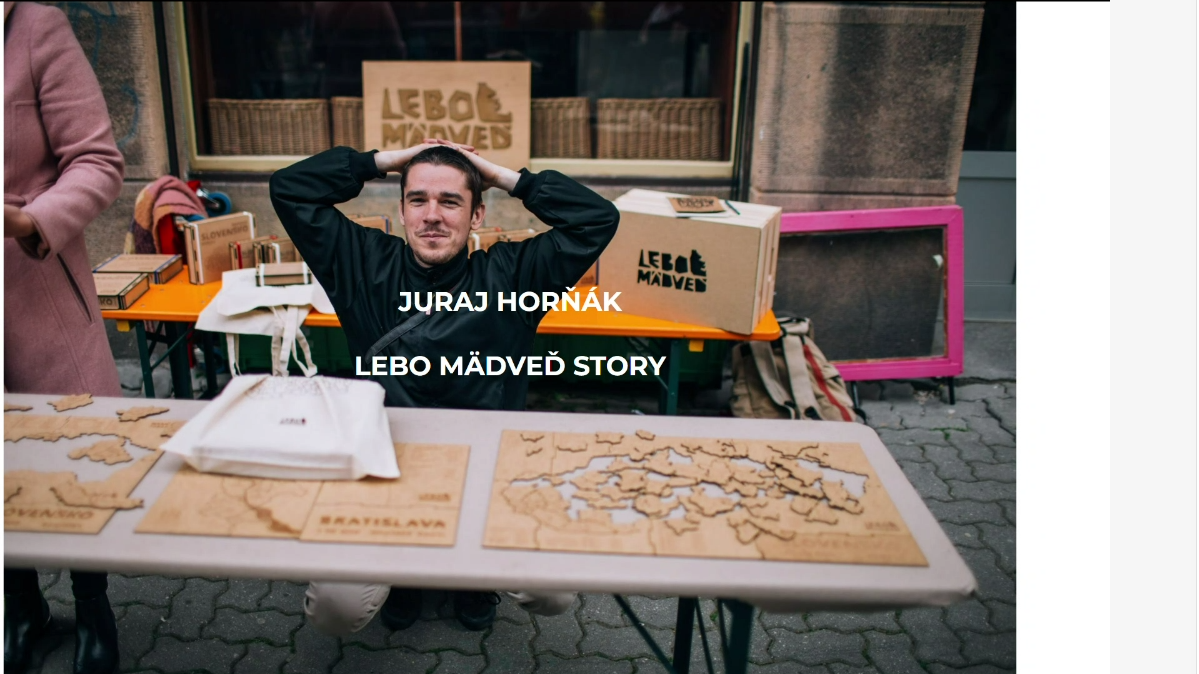
The programme was enriched by two keynote lectures. Kryštof Klestil from Mad Cookies Studio explored the realities of game publishing, comparing self-publishing with working alongside established publishers and offering insight into long-term strategic considerations. Juraj Horňák from Lebo Mädveď presented a case study of a successful Slovak tabletop games company, examining how visual style, mechanics, and user experience shape impactful board game design.
Together, these talks connected academic prototyping with industry practice, helping students see the broader ecosystem in which educational games exist.
Focus groups: honest reflection to level up the course
Beyond dissemination, the colloquium served as a structured course evaluation moment. Parallel focus groups were organised for each country team cohort, guided by moderators and supported by note-takers and mentors.
The mission was clear: help “level up” the course. Participants were invited to provide honest, specific feedback on what worked, what was challenging, and what should change. Each group was tasked with identifying strengths, pain points, quick wins, and structural changes, as well as capturing anonymised quotes reflecting authentic student experiences.
This structured reflection model ensured that feedback moved beyond general impressions and resulted in concrete, actionable insights. Discussions explored course design, balance between pedagogy and tools, teamwork dynamics, inclusivity, support systems, assessment criteria, and real-life applicability of methods.
Cross-country learning and sustainability
One of the colloquium’s key purposes was to foster cross-country learning and identify transferable good practices for the sustainability phase by bringing together different institutional contexts in a hybrid format, the event reduced participation barriers while encouraging international dialogue.
The consortium committed to producing a post-event colloquium report synthesising results, highlighting game innovations, mapping cross-country themes, and defining course improvement actions. This synthesis will inform adjustments before Round 2 and strengthen the long-term impact of the project.
A milestone in collaborative innovation
The 1st International Colloquium was more than a final presentation session. It functioned as a collaborative checkpoint where creativity met evaluation, and reflection turned into action. It demonstrated that educational game design is not only about building playable prototypes but also about building reflective practitioners capable of improving systems, processes, and learning environments.