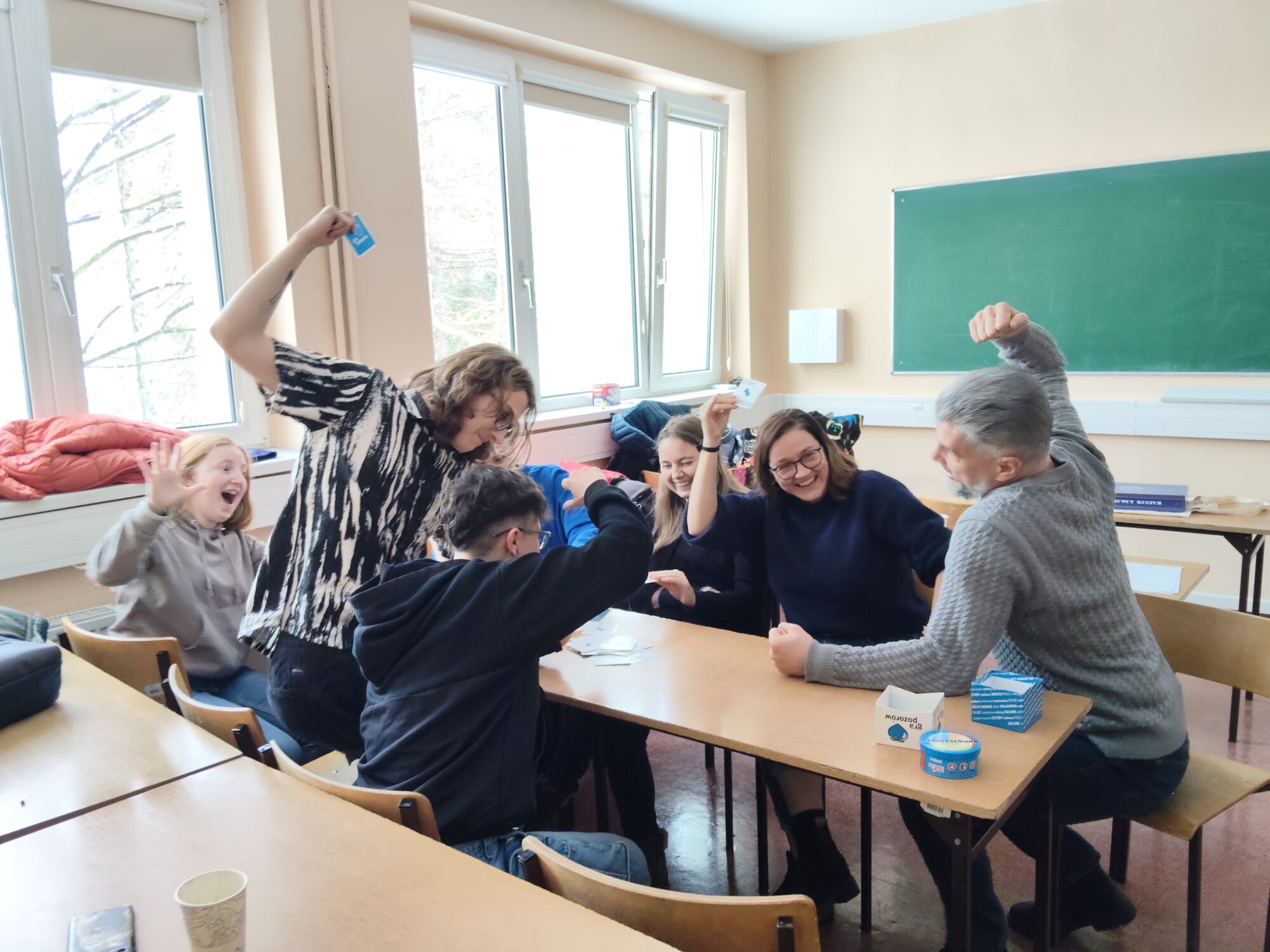
During the pilot phase of the Learn to Play for the Future project, a diverse collection of educational games was created. It is demonstrating that learning can be interactive, creative, and engaging. Students and course participants developed projects that combine game design with various fields from natural sciences to languages, history, and cultural heritage.
You can play or download games here at our itch.io page.
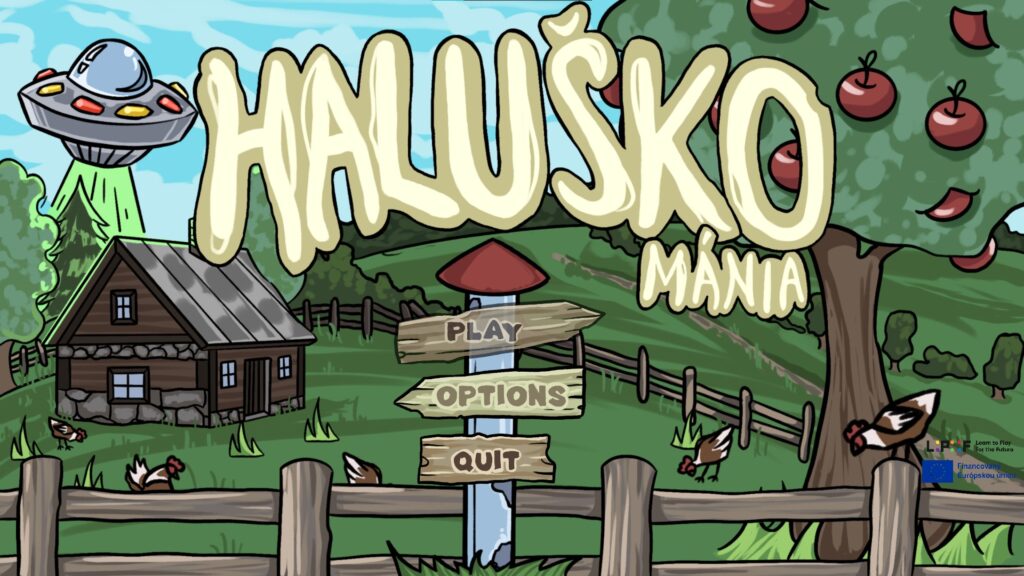
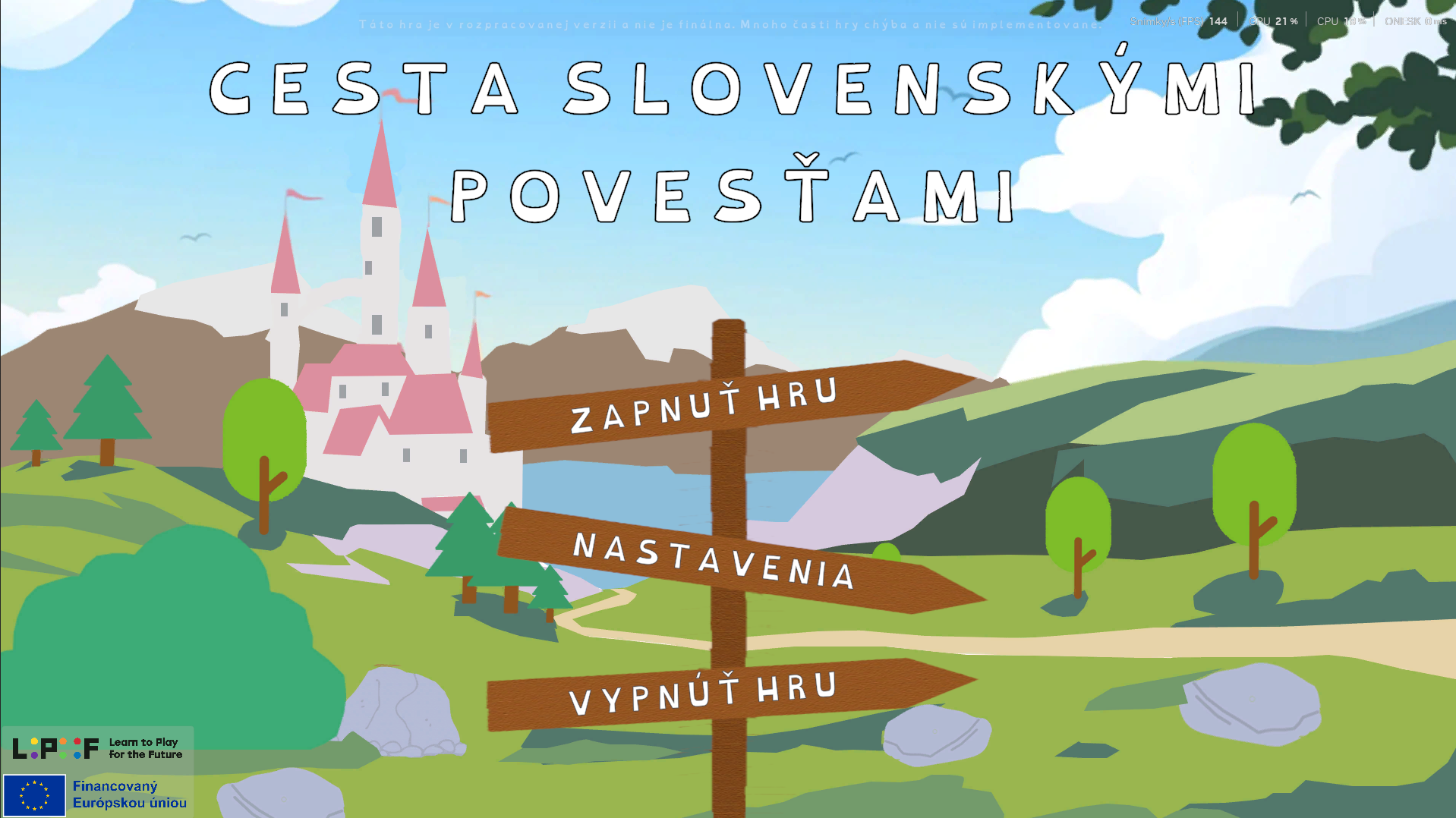
Among the digital games, Empire of Atoms stands out by teaching chemistry through building molecular structures. The adventure game You Have Potential blends physics-based puzzles with a mysterious island story and an interactive robotic companion. A strong cultural dimension is present in Journey Through Slovak Legends, which introduces younger players to Slovak folklore through maps, storytelling, and minigames. Similarly, Dumplings Mania focuses on language learning through a narrative journey across Slovakia, highlighting linguistic diversity.

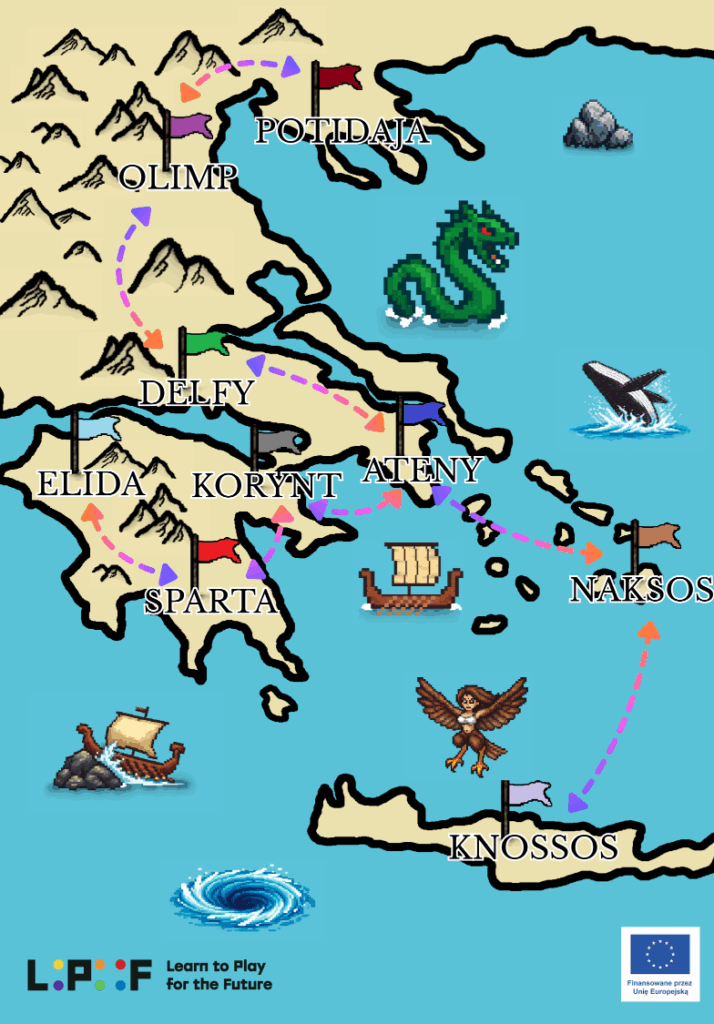
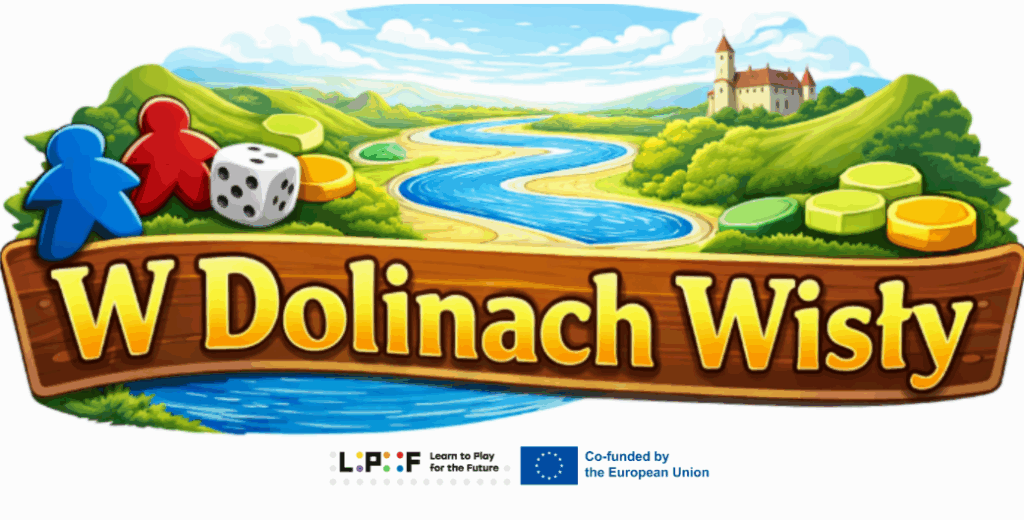
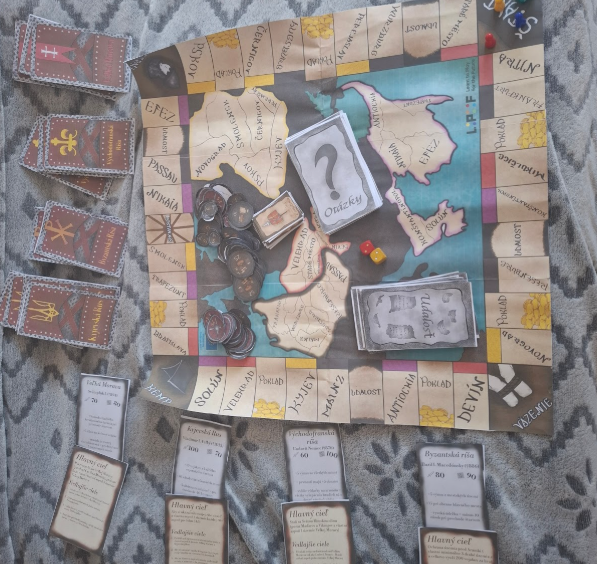
Board and tabletop games also form an important part of the collection. Rulers of History takes players to medieval Europe, where they develop historical knowledge through strategic decision-making and quiz elements. Likewise, The Land of Myths uses Greek mythology to connect knowledge with competition and storytelling. A regional and environmental perspective is offered by In the Wisla Valleys, combining geography, nature, and history related to the Wisla River.
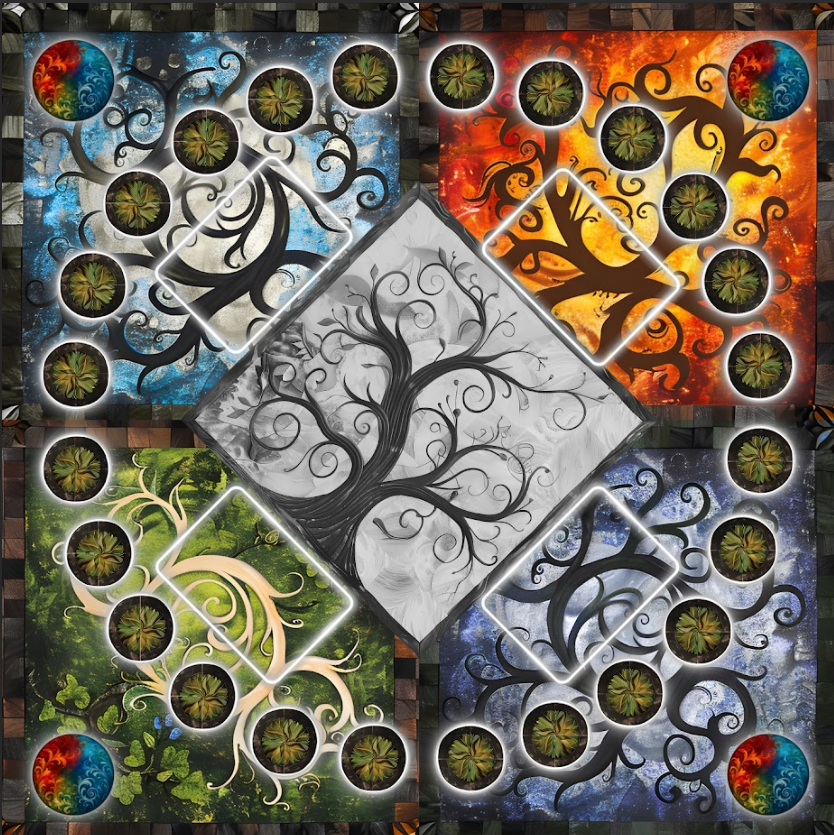
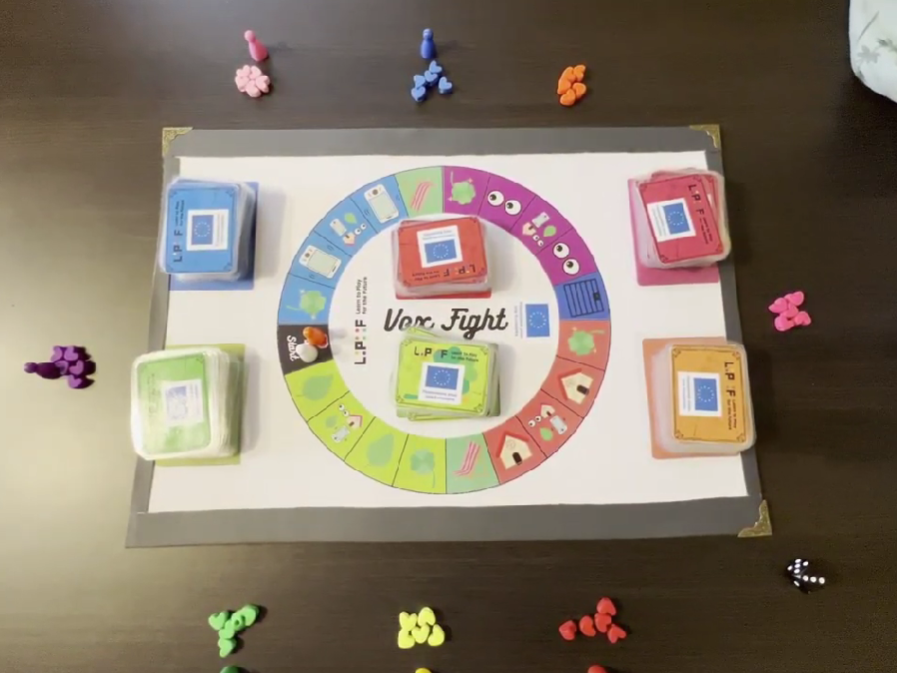
Language learning is represented by several titles as well. English Quest integrates vocabulary, grammar, and creative challenges into an interactive board game. Vox Fight focuses on A2-level English learning in a group setting. Magic Word Tree game enhances vocabulary and memory through engaging word-search mechanics.
What unites all these games is their emphasis on active learning, player engagement, and the connection between knowledge and gameplay experience. The pilot phase has shown that game creation can be a powerful educational tool as well as a driver of creativity. Playable results prove that young creators are capable of transforming complex topics into accessible and appealing formats with the potential to reach a wide audience—from children to adults.