
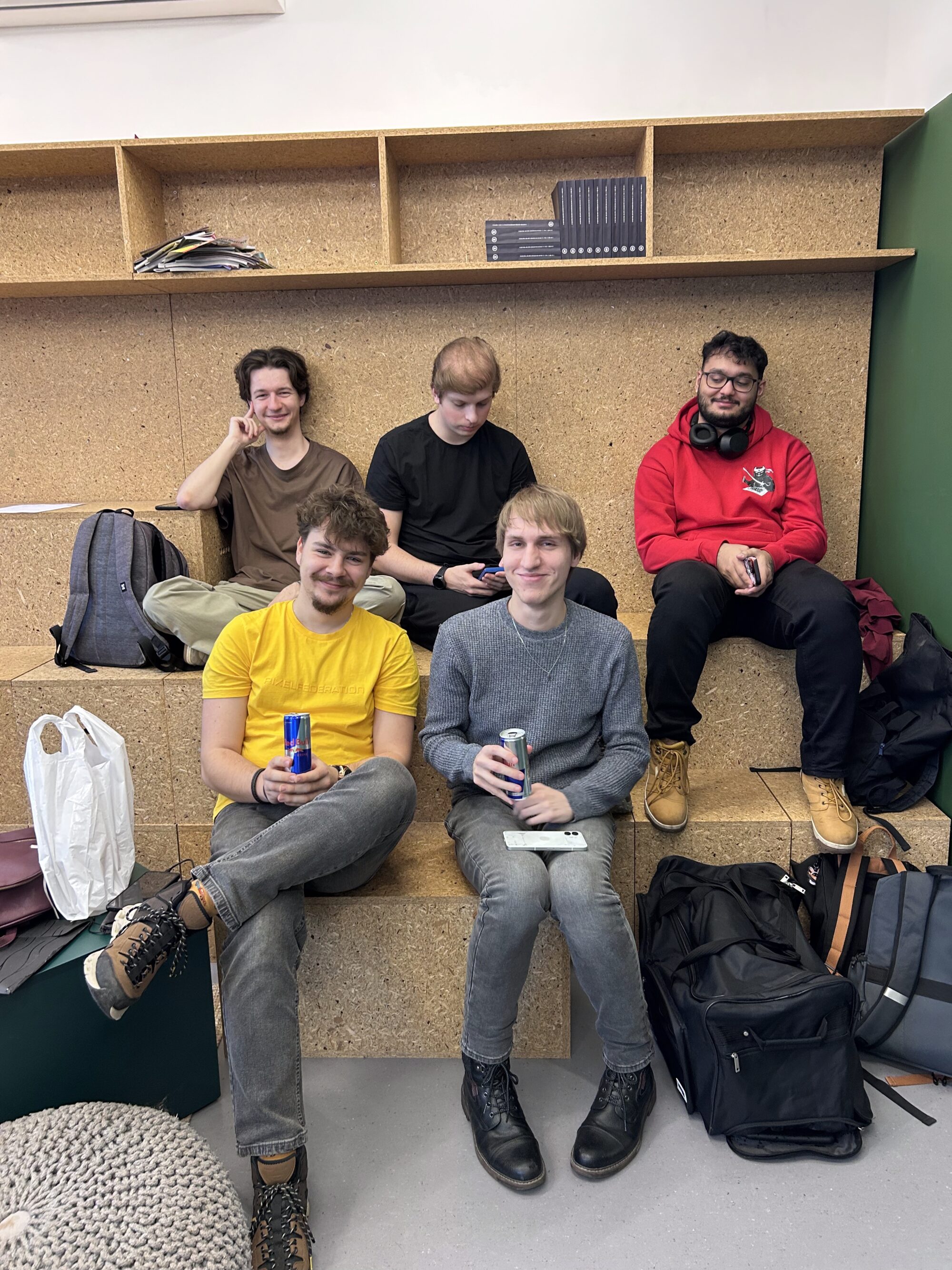
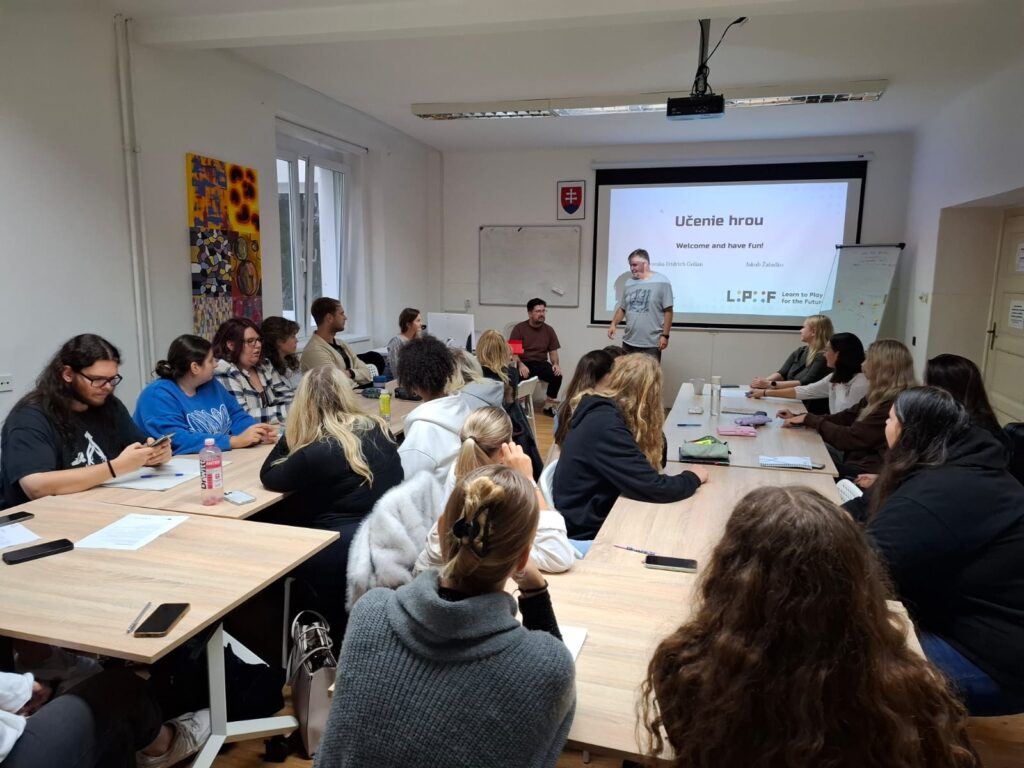
The Learn to Play for the Future project explores how games can support learning, creativity, and inclusion in education. During the first round of the course, students from several European institutions collaborated to design and prototype educational games.
The course was organised in cooperation between project partners: University of Ss. Cyril and Methodius in Trnava (UCM), Comenius University Bratislava, Impact Games, University of Bielsko-Biala (UBB), and South-Eastern Finland University of Applied Sciences (XAMK).
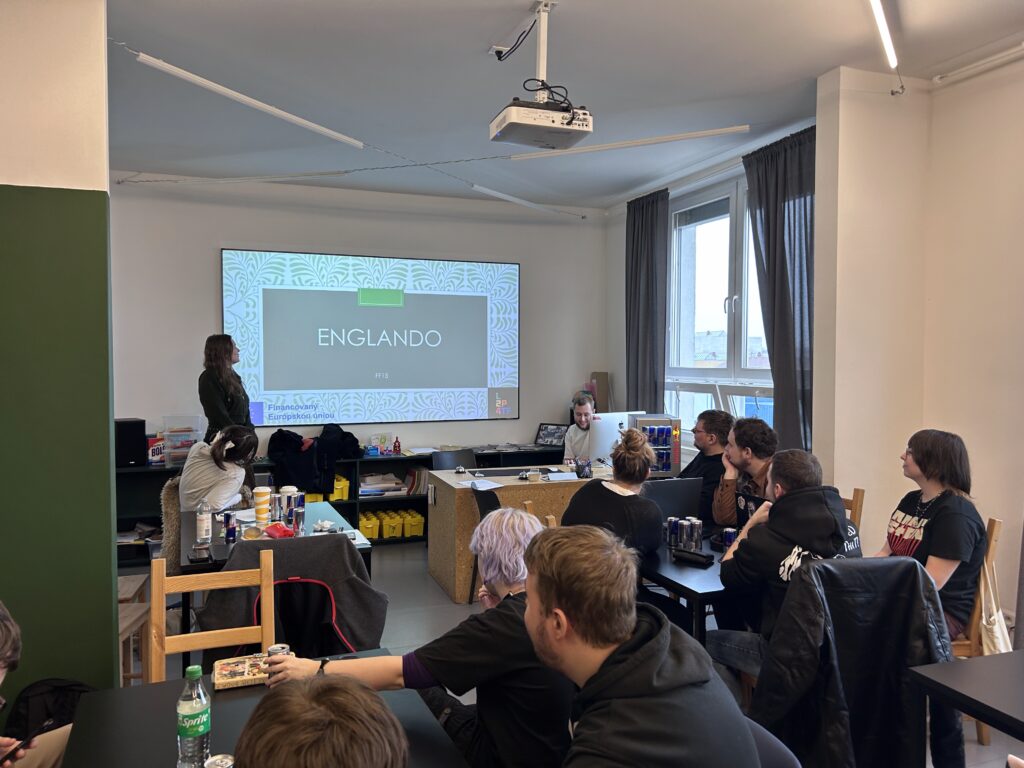
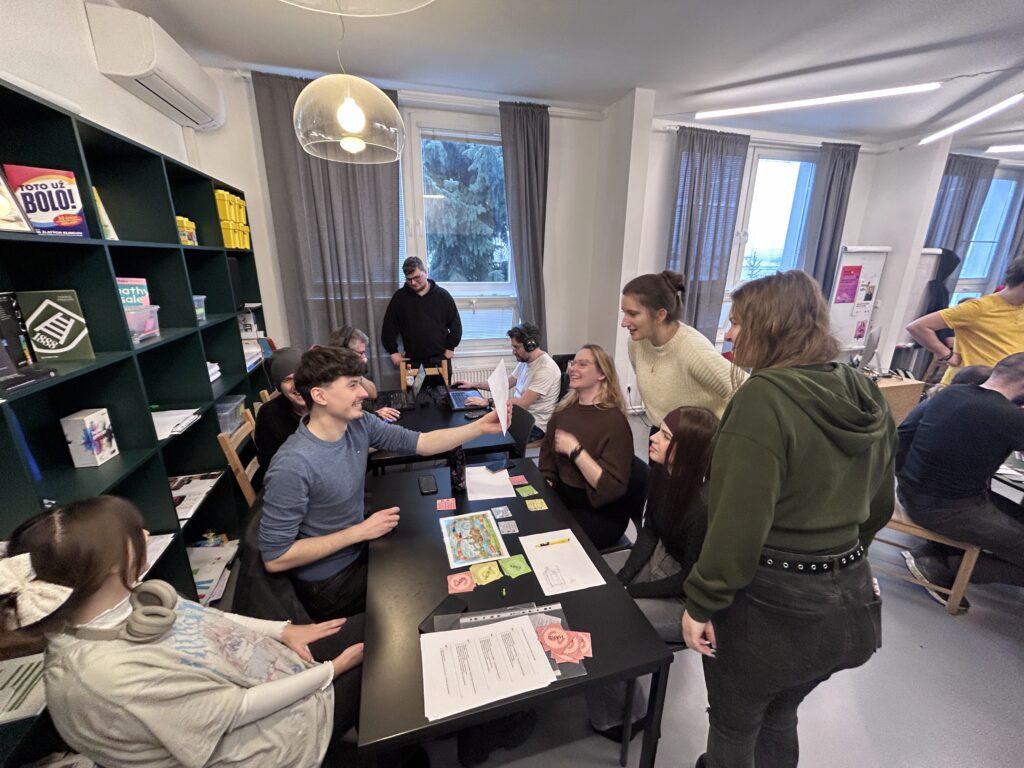
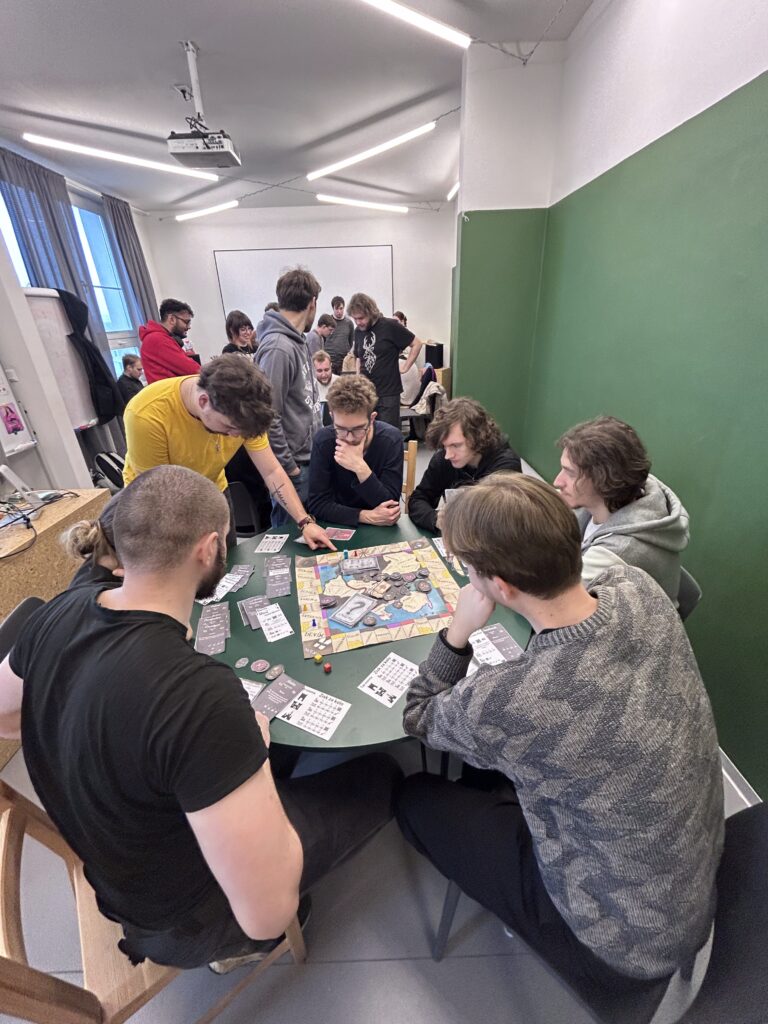
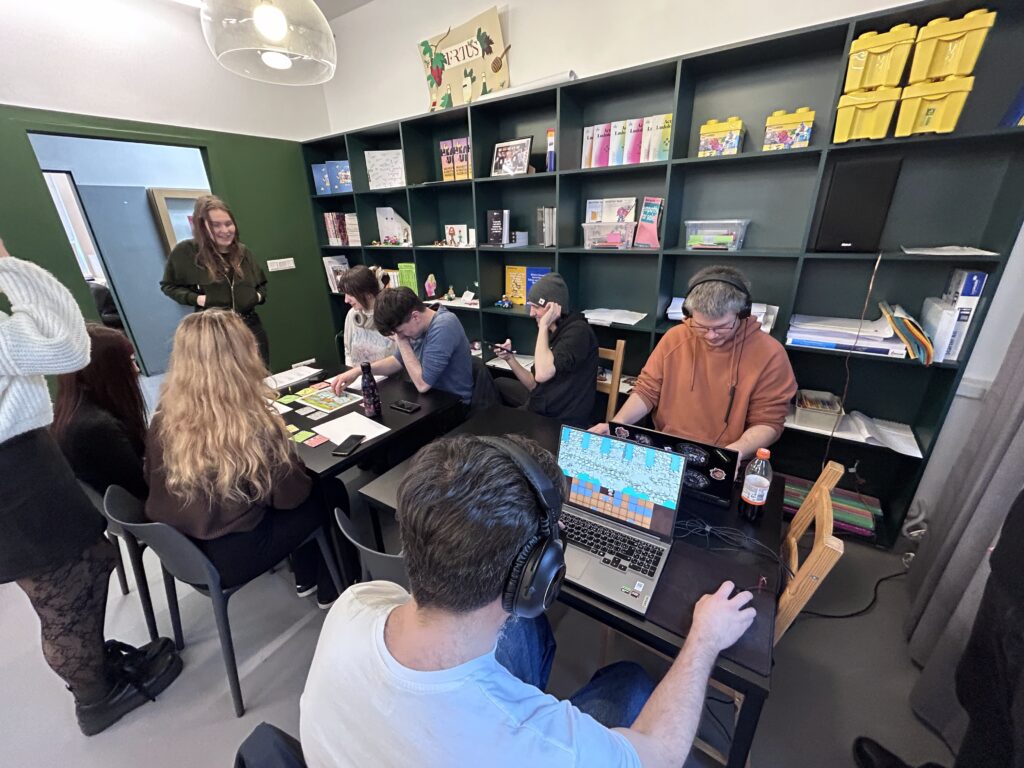
From Idea to Playable Prototype
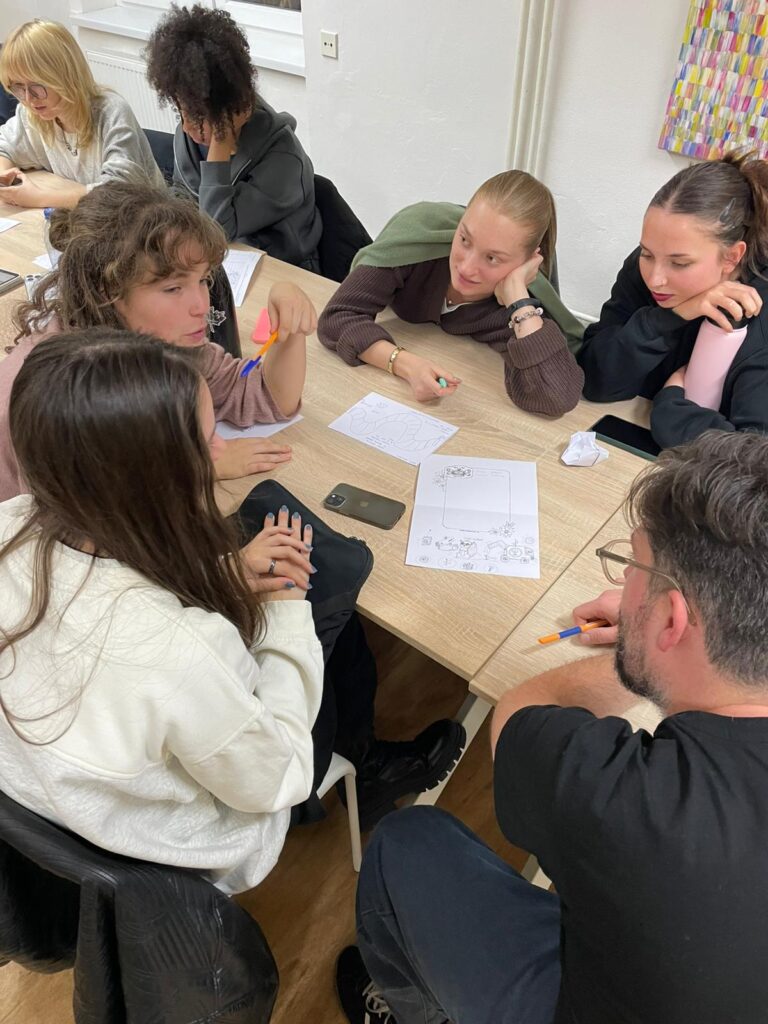
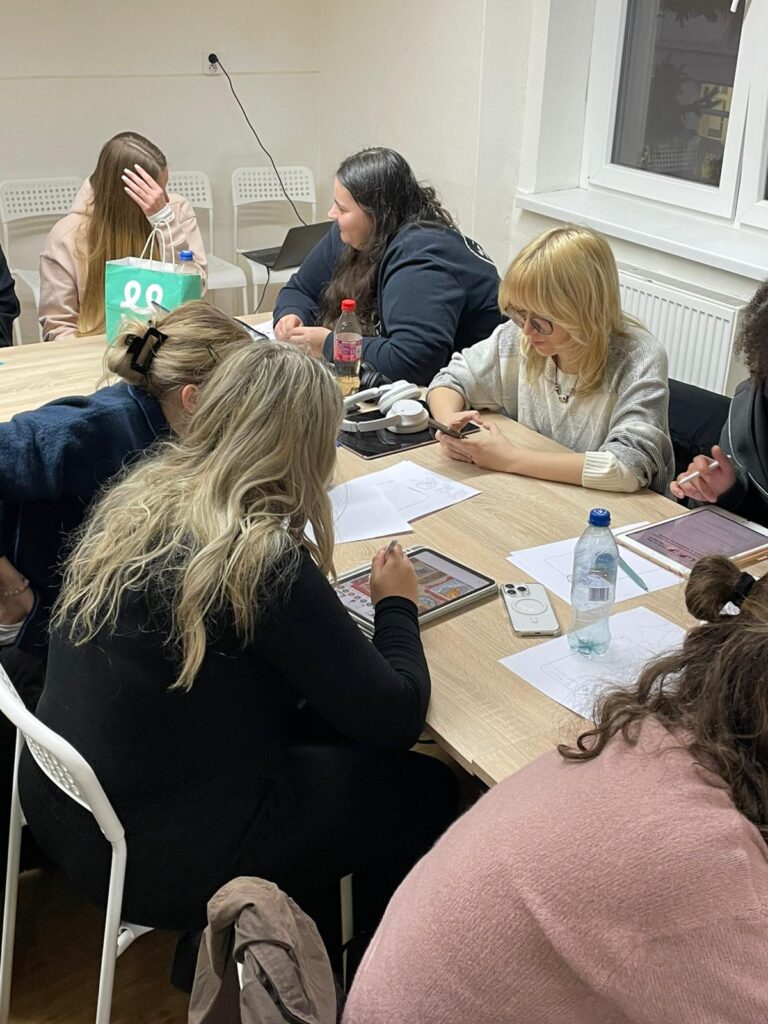
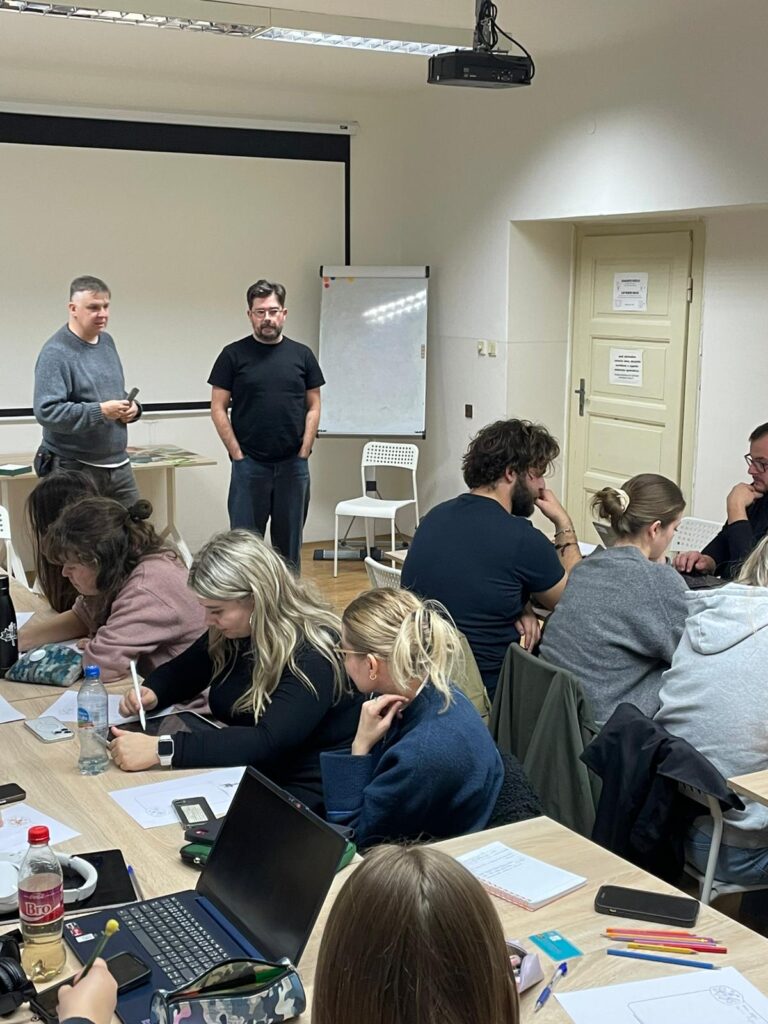
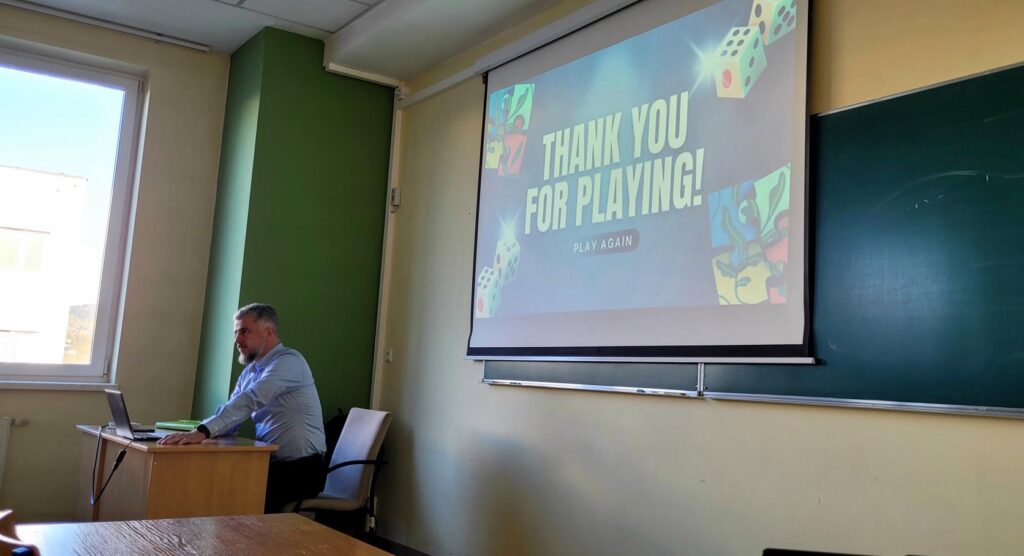
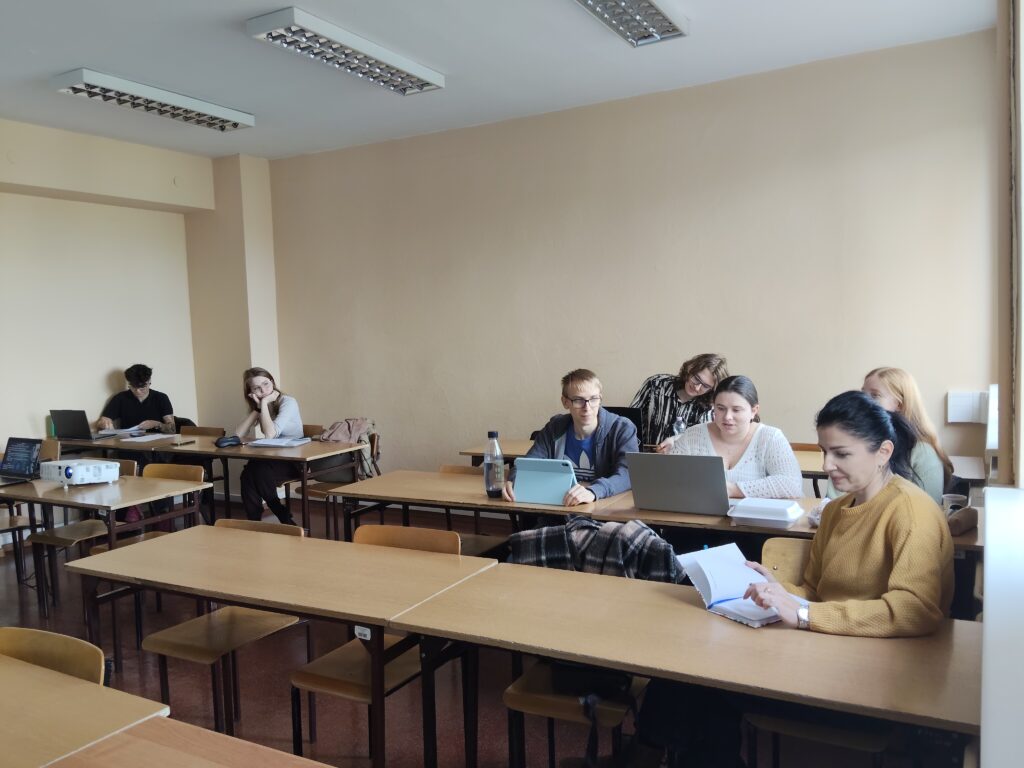
The course combined short theoretical inputs with practical workshops and collaborative development. Students went through the full process of game design: developing an idea, defining learning objectives, designing mechanics, creating prototypes, and testing their games.
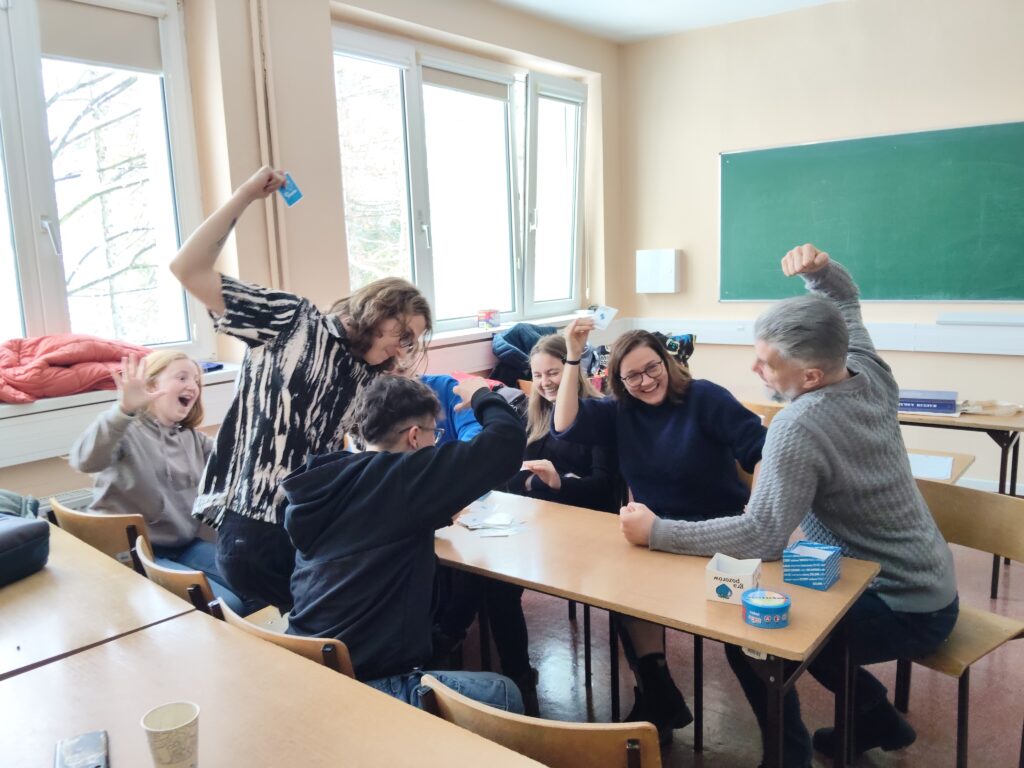
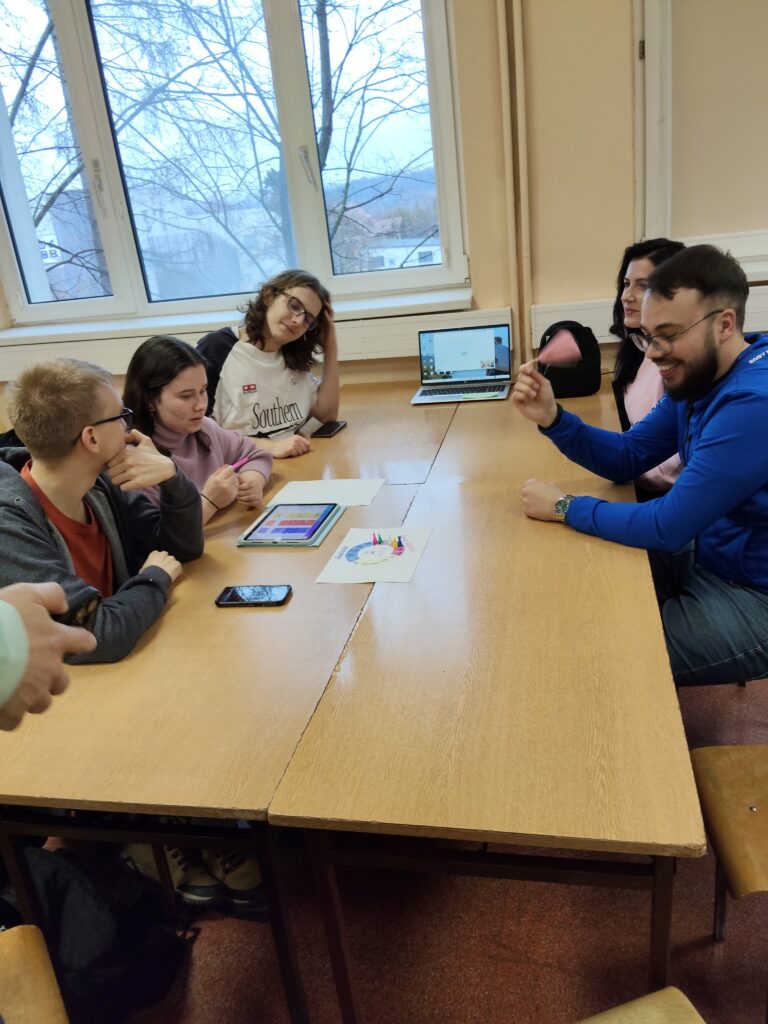
One of the most valuable parts of the course for students was the opportunity to learn by doing. Designing their own game allowed them to experiment with creativity, teamwork, and problem-solving. Playtesting sessions were particularly memorable, especially when students had the chance to test their games with children. “Seeing children play the games during playtesting was heartwarming,” said one of them.
Students also highlighted the importance of feedback during the development process: “Feedback is very important for knowing the outcome of the game.” Working in teams was another positive aspect of the course. Participants appreciated the possibility to collaborate with classmates and divide tasks according to their strengths.
Challenges and Lessons Learned
At the same time, students pointed out several challenges. The most common issue was limited time for developing and refining the games, especially alongside other academic assignments.
Some participants also mentioned that the initial concept development was difficult and required more guidance. Clearer instructions about the expected scope of the final project would also help students structure their work more effectively.
Students suggested that future editions of the course could benefit from clearer milestones throughout the development process and additional opportunities for feedback and playtesting.
Looking Ahead
Despite these challenges, the overall experience was very positive. Many students described the course as inspiring and motivating, especially because it connected creative work with real educational applications. For some participants, the experience even influenced their future career plans. “I am going to work with games in the future.”